 English
 中文简体
中文简体 日本語
日本語 Español
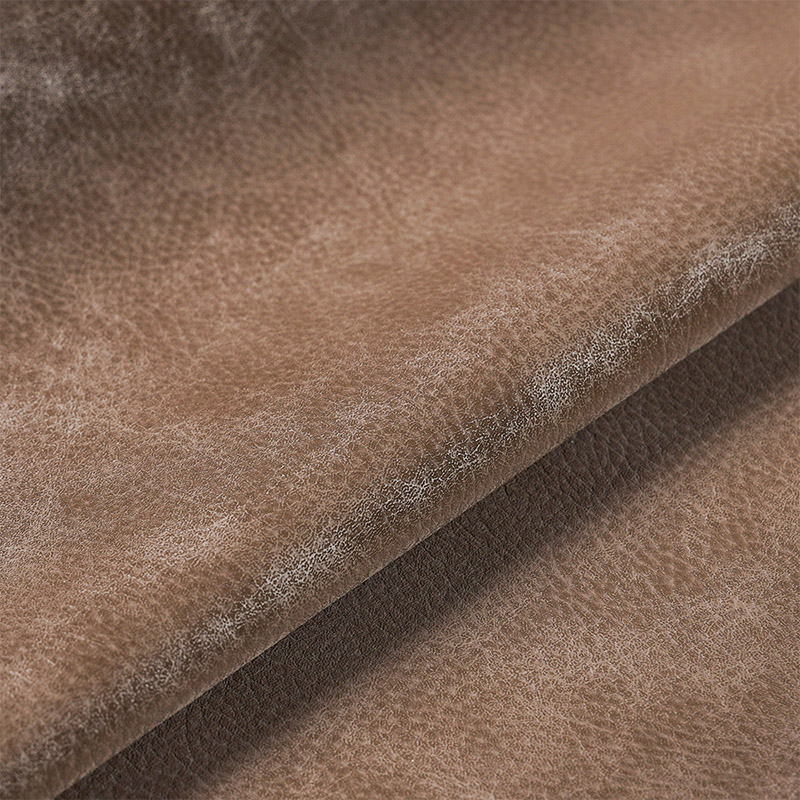
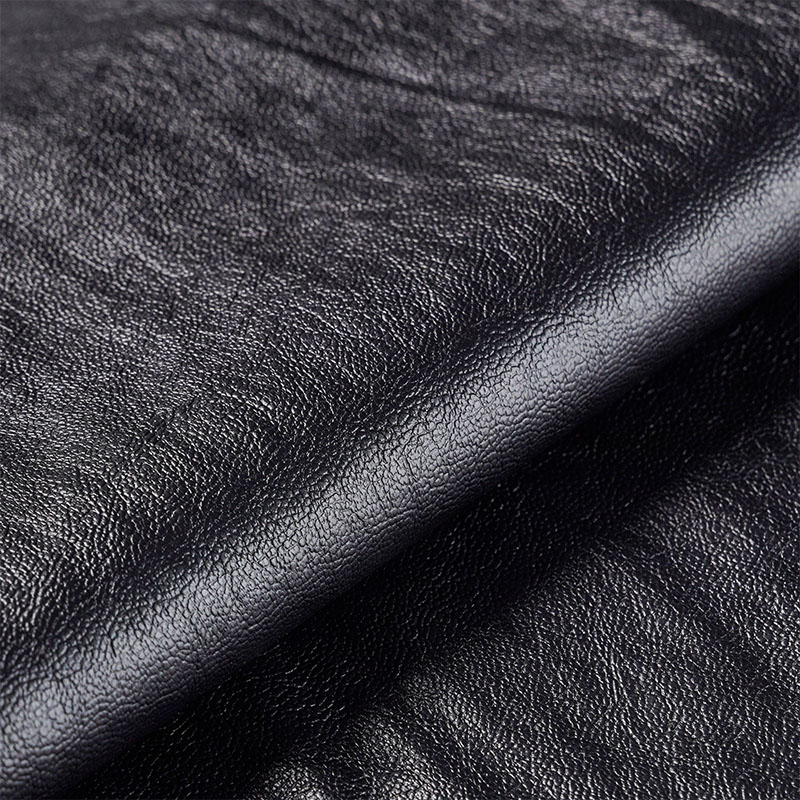
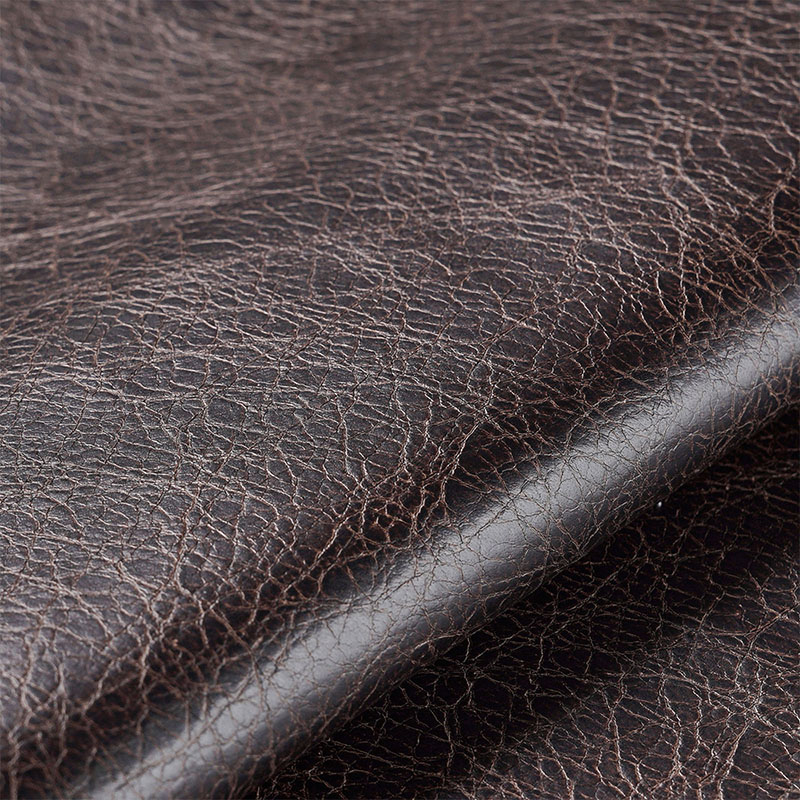
Over the past decade, the synthetic leather industry has experienced a significant shift in priorities. What was once a market driven mainly by cost efficiency and visual imitation is now increasingly influenced by environmental expectations, material transparency, and manufacturing responsibility. As global brands rethink sourcing standards and consumers become more sensitive to sustainability issues, materials such as Eco Friendly PU Leather are moving from niche alternatives into mainstream production.
At the same time, the role of the Synthetic Leather Factory is also changing. Modern factories are no longer judged only by output capacity or pricing competitiveness. Buyers now pay close attention to coating technology, waste management, solvent control, recycled content integration, and long-term production stability.
The industry is entering a stage where sustainability is no longer treated as a separate marketing concept. Instead, it is becoming part of how synthetic leather is designed, manufactured, and evaluated at every level of the supply chain.
Why Eco Friendly PU Leather Is Receiving More Attention
Traditional synthetic leather manufacturing has often been associated with solvent emissions, heavy chemical processing, and limited recyclability. While synthetic leather remains an important alternative to natural leather in terms of scalability and material consistency, manufacturers are under increasing pressure to reduce environmental impact without sacrificing performance.
Eco friendly PU leather emerged as a response to this challenge.
Rather than referring to a single material type, the term usually describes polyurethane-based synthetic leather developed with improved environmental considerations, such as:
- water-based coating systems
- reduced solvent usage
- recycled textile backing materials
- lower VOC emissions
- bio-based polyurethane components
- longer material lifecycle performance
The goal is not only to produce a material that looks sustainable, but to reduce environmental burden across production and usage stages.
The Shift From “Leather Alternative” to Independent Material Category
In earlier years, synthetic leather was often marketed mainly as a substitute for genuine leather. Today, eco friendly PU leather is increasingly treated as an independent material category with its own design language and technical advantages.
This shift matters because modern buyers are no longer only comparing synthetic leather against natural leather. They are also comparing different synthetic systems against each other.
Questions now focus on:
- coating technology
- production emissions
- tactile quality
- recyclability potential
- durability over time
- maintenance behavior
- supply chain transparency
As a result, sustainability discussions are becoming more technical and material-specific.
Inside the Modern Synthetic Leather Factory
The image of a synthetic leather factory has changed significantly in recent years.
Older production systems often emphasized large-scale coating output with limited concern for energy optimization or environmental efficiency. Modern facilities, however, are increasingly investing in cleaner manufacturing technologies and more controlled production systems.
Today, advanced synthetic leather factories frequently integrate:
- automated coating lines
- solvent recovery systems
- water recycling equipment
- precision embossing technology
- digital surface inspection systems
- low-emission curing processes
These improvements help manufacturers achieve greater consistency while also reducing resource waste.
The factory itself has become part of the product value proposition.
Water-Based PU Technology and Industry Direction
One of the most important developments in eco friendly PU leather manufacturing is the rise of water-based polyurethane systems.
Traditional solvent-based coatings can generate higher VOC emissions during production. Water-based technologies reduce reliance on aggressive solvents and create a cleaner coating environment.
This transition is especially important for products used in:
- fashion accessories
- automotive interiors
- furniture upholstery
- footwear applications
- consumer lifestyle products
Brands increasingly prefer suppliers capable of offering water-based synthetic leather solutions because environmental regulations continue tightening across global markets.
At the same time, modern water-based PU materials have improved significantly in softness, flexibility, and abrasion resistance compared with earlier generations.
Why Buyers Are Evaluating Factories More Closely
In the past, material sourcing decisions were often based mainly on price and delivery capability. That approach is becoming less common, especially among international brands.
Today, buyers frequently assess synthetic leather factories according to:
- environmental management systems
- production consistency
- quality traceability
- chemical compliance standards
- energy consumption practices
- recycled material integration
- long-term manufacturing stability
The supplier relationship is no longer only about purchasing material. It is increasingly about evaluating manufacturing reliability and sustainability credibility.
Factories that can demonstrate controlled production processes often gain stronger long-term partnerships with global brands.
Eco Friendly PU Leather in Fashion and Accessories
The fashion industry remains one of the largest application areas for eco friendly synthetic leather.
Brands are increasingly looking for materials that combine:
- soft tactile feel
- refined surface appearance
- lower environmental impact
- lightweight construction
- stable color consistency
This has increased demand for eco friendly PU leather in products such as:
- handbags
- footwear
- belts
- travel accessories
- small leather goods
Consumers in many markets now pay attention not only to style, but also to how products are manufactured and sourced.
As a result, sustainability has become directly connected to brand identity.
Furniture and Interior Applications Are Also Changing
The furniture sector is another major driver behind sustainable synthetic leather development.
Large upholstered surfaces require materials that remain stable over long periods while also meeting stricter indoor environmental standards.
Modern eco friendly PU leather is increasingly used in:
- residential sofas
- hospitality seating
- office interiors
- wall panel systems
- commercial lounge furniture
Manufacturers in these sectors often prioritize:
- low odor performance
- reduced VOC emissions
- easy maintenance
- abrasion resistance
- softer matte finishes
The visual direction is also evolving. Many brands now prefer natural-looking textures over highly artificial glossy surfaces.
Recycled Materials and Circular Manufacturing
Another important industry trend is the integration of recycled components into synthetic leather production.
Some factories now incorporate:
- recycled polyester backing fabrics
- recycled polyurethane content
- post-industrial material recovery systems
Although full circularity remains technically challenging for synthetic leather, manufacturers are increasingly exploring ways to reduce raw material waste and improve production efficiency.
This movement reflects broader changes across global manufacturing, where sustainability is becoming connected to resource management rather than only product marketing.
Why Surface Design Is Also Evolving
Eco friendly PU leather development is not limited to environmental performance alone. Surface aesthetics are changing as well.
Modern synthetic leather trends increasingly favor:
- low-gloss finishes
- soft-touch coatings
- natural grain movement
- subtle texture depth
- quieter visual appearance
Consumers are gradually moving away from heavily artificial-looking surfaces.
As a result, synthetic leather factories are investing more heavily in advanced embossing systems and refined coating technologies that create more natural visual behavior.
Digital Manufacturing and Production Precision
Technology is also reshaping how synthetic leather is manufactured.
Advanced factories now use digital systems to monitor:
- coating thickness
- texture consistency
- color variation
- curing temperature stability
- material defect detection
This improves not only efficiency, but also long-term quality consistency across production batches.
For global brands producing large-scale collections, this consistency is essential.
Even small material differences can affect final product appearance, especially in fashion and furniture applications.
Challenges Facing the Industry
Despite significant progress, eco friendly synthetic leather manufacturing still faces several challenges.
These include:
- balancing softness with durability
- reducing environmental impact without excessive cost increase
- improving recyclability of coated composite materials
- maintaining performance under heavy use conditions
- meeting different international compliance standards
The industry is still evolving, and no single material solution currently solves every environmental concern perfectly.
However, continuous improvement is becoming a defining feature of leading manufacturers.
The Future of the Synthetic Leather Factory
The future synthetic leather factory will likely look very different from traditional production facilities.
Greater emphasis will be placed on:
- cleaner energy usage
- automated quality monitoring
- recyclable material integration
- water-saving technologies
- low-emission coating systems
- transparent production traceability
Factories will increasingly compete not only through pricing or production volume, but through manufacturing responsibility and technical innovation.
This shift is already influencing supplier selection across fashion, automotive, furniture, and consumer product industries worldwide.